travel
Depart the Hotel
Our cultural journey begins just south of West Lake.
Day 2 · Tuesday, October 20
A day devoted to the makers, merchants, and scholars who shaped Hangzhou—from luminous textiles to an island garden dedicated to seal art.
Your day, at a glance
Times are our guide and may shift gently with traffic, weather, and the rhythm of the group. Tap any cultural highlight to discover its story.
travel
Our cultural journey begins just south of West Lake.
Cultural highlight
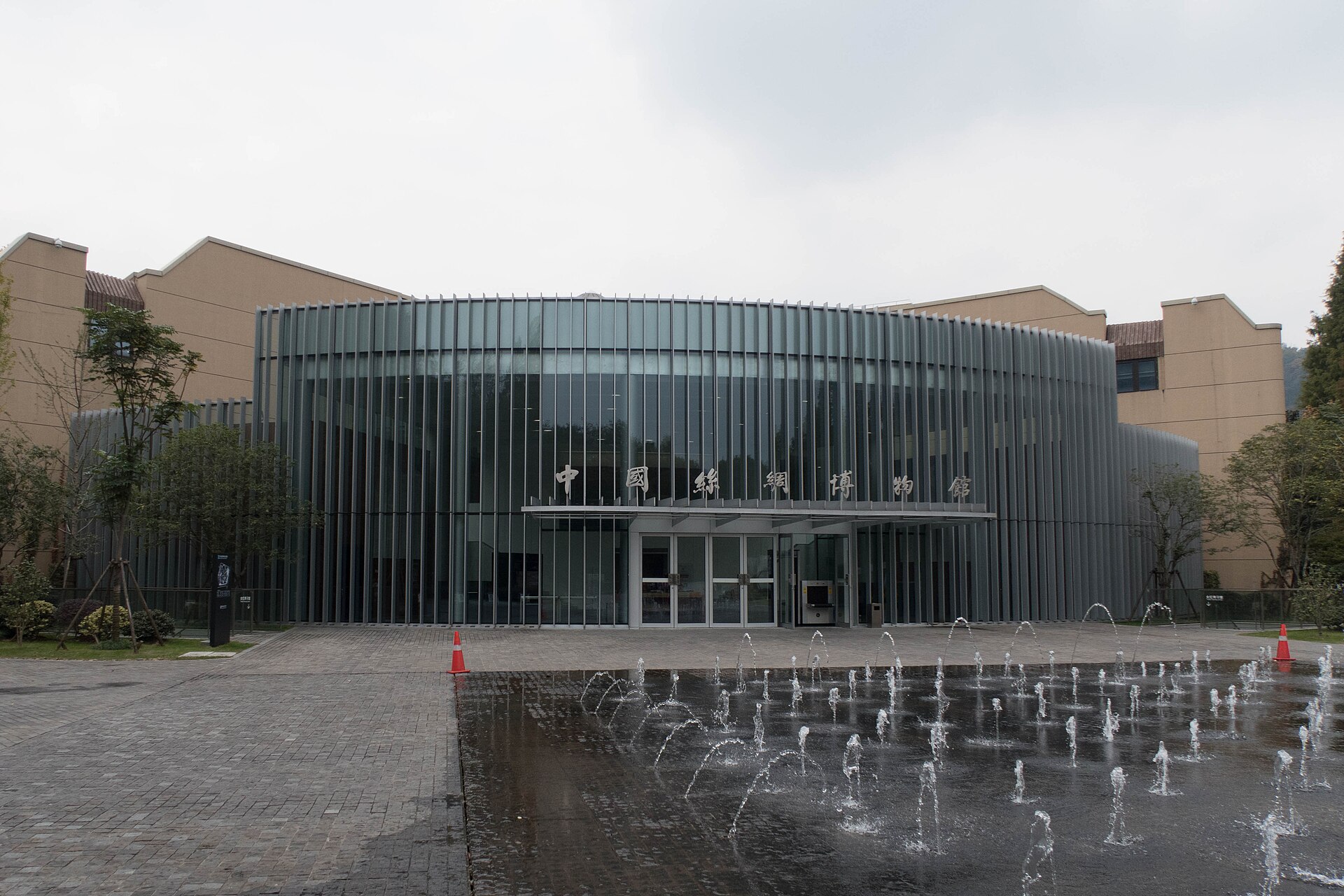
Follow silk from cocoon and loom to clothing, trade, science, and design.
China’s national museum of silk traces thousands of years of textile history. Its collections connect sericulture and weaving with fashion, conservation, archaeology, and the long exchange of ideas along the Silk Roads.
meal
A relaxed taste of one of Hangzhou’s longstanding noodle traditions.
Cultural highlight
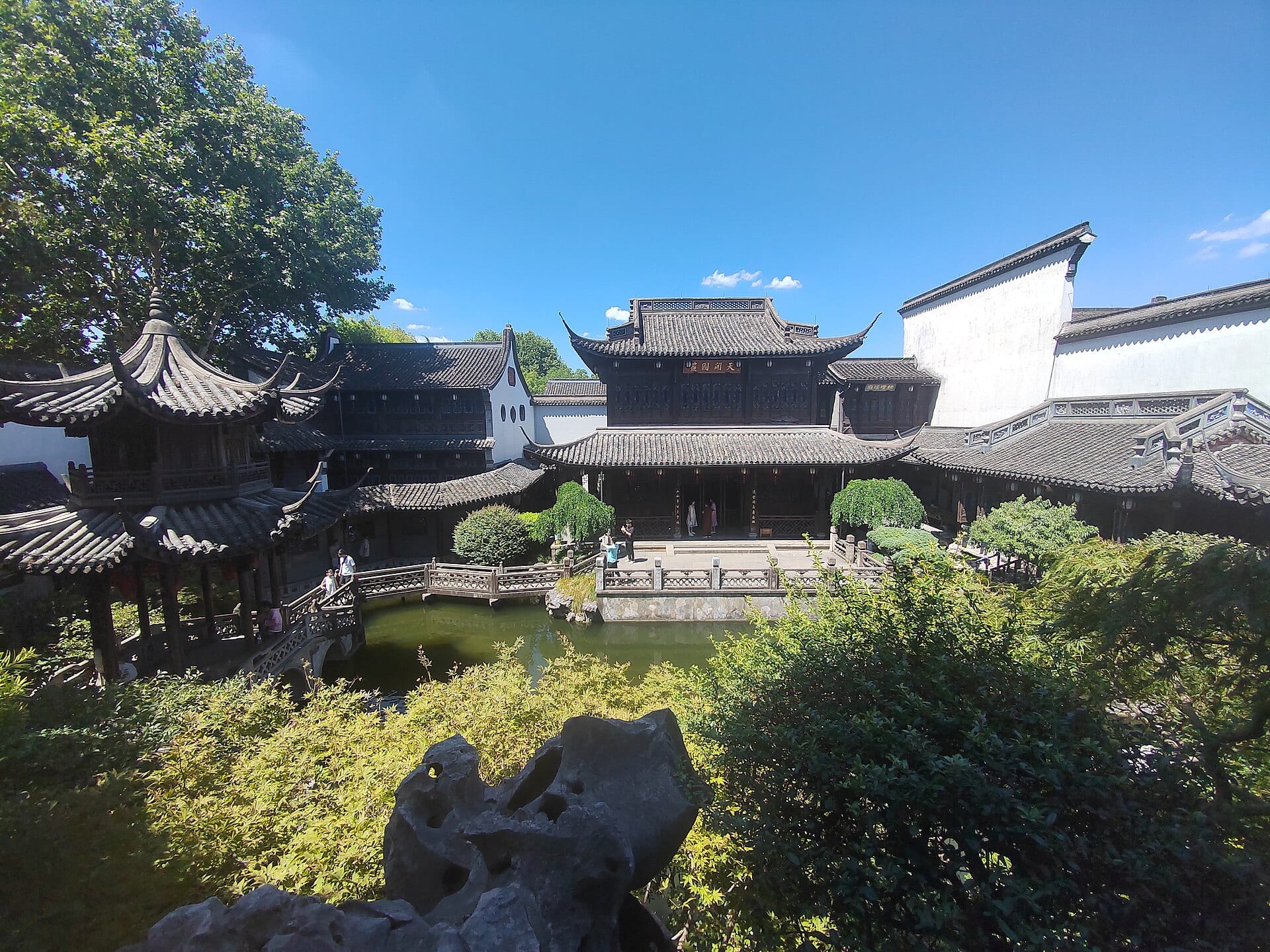
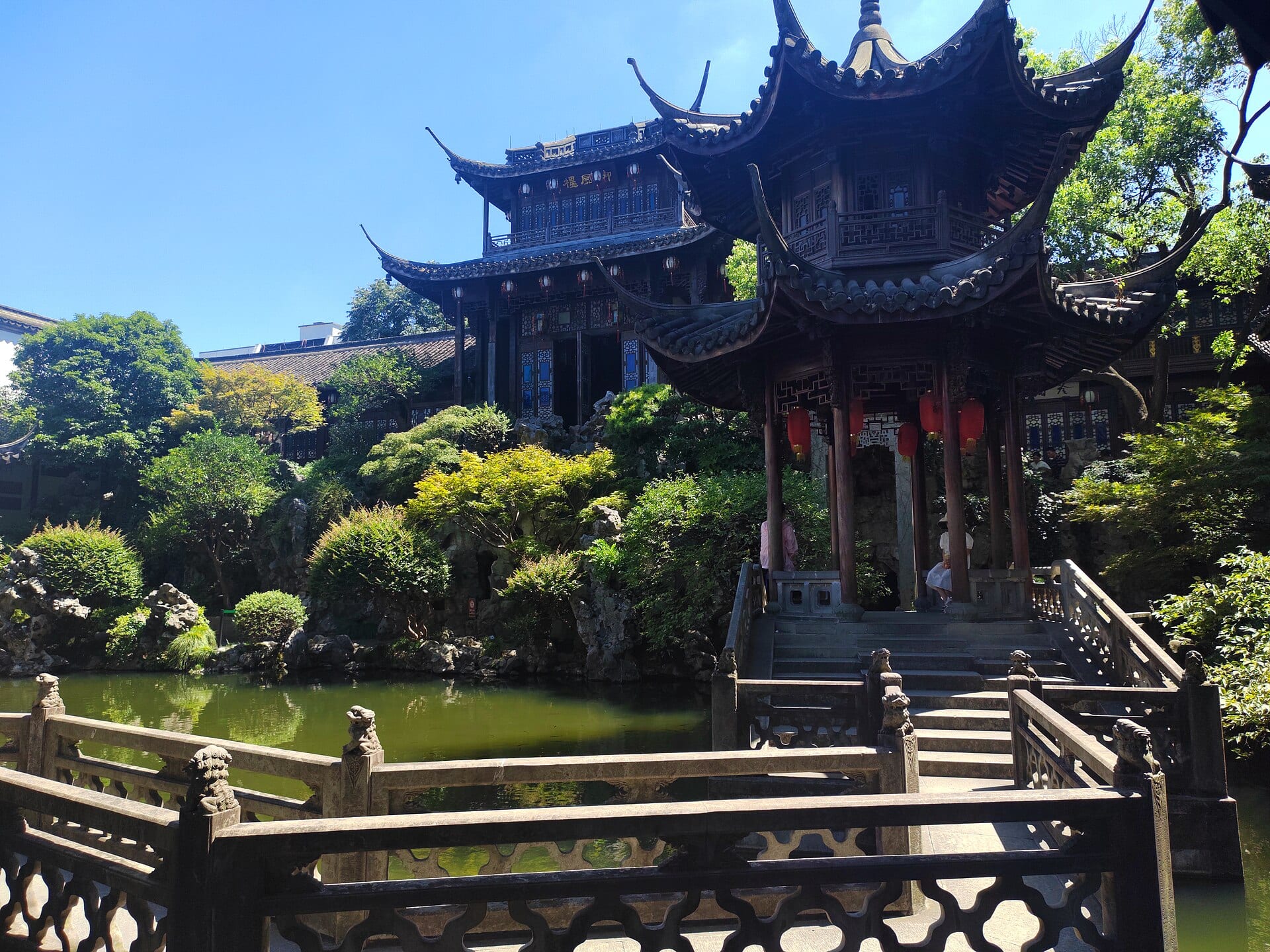
Step inside the private world of one of late Qing China’s best-known merchants.
Hu Xueyan rose from modest beginnings to become one of late Qing China’s best-known merchants, financing trade, supporting government campaigns, and founding Hu Qing Yu Tang. Built in the 1870s, his residence reveals how commercial success, social standing, family life, and refined taste were expressed through architecture.
Cultural highlight
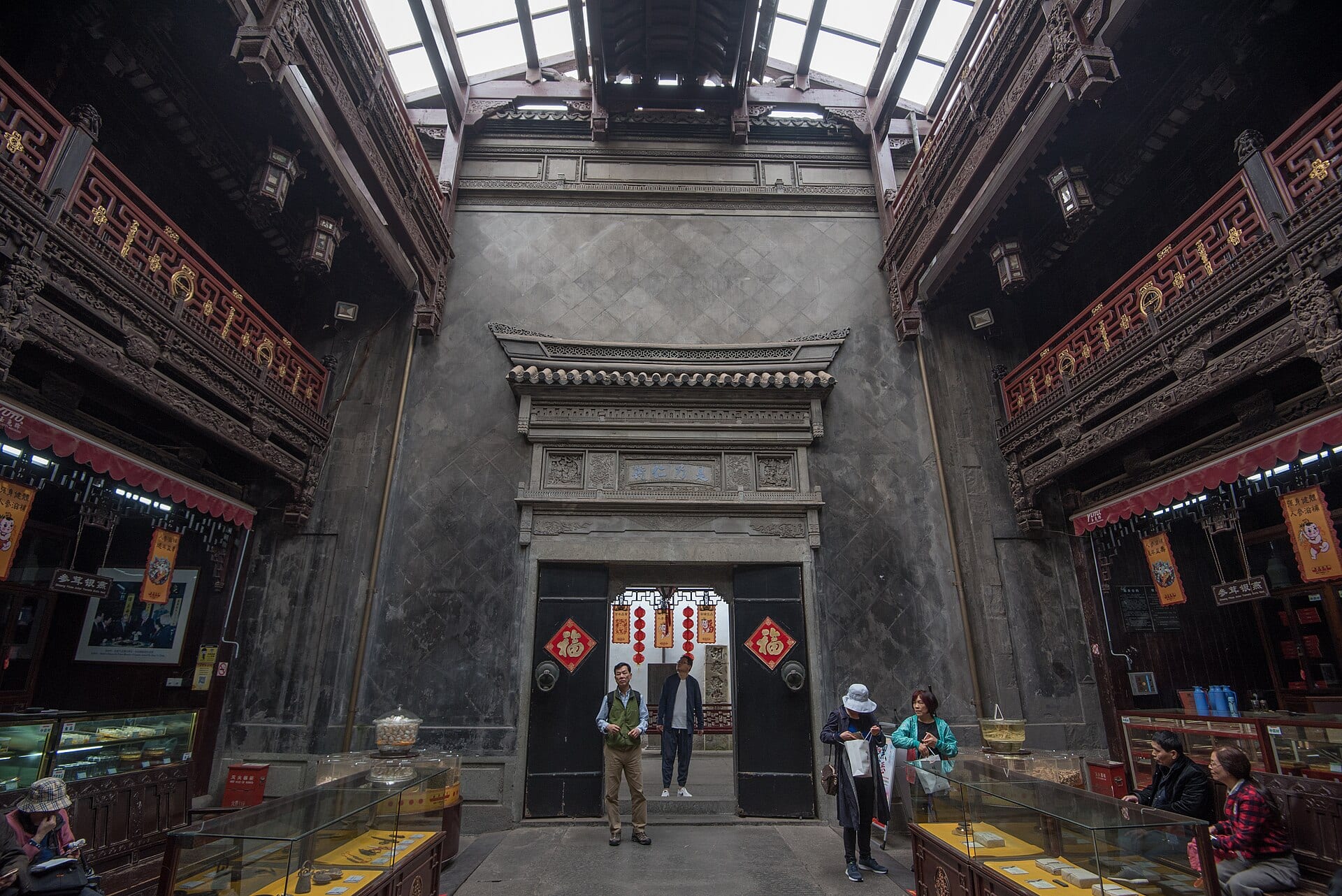
Explore a historic pharmacy where medicine, ethics, commerce, and architecture meet.
Founded by Hu Xueyan in 1874, Hu Qing Yu Tang became one of China’s most renowned traditional pharmacies. Its preserved halls reveal how remedies were prepared, displayed, and sold within a business culture that placed reputation at its center.
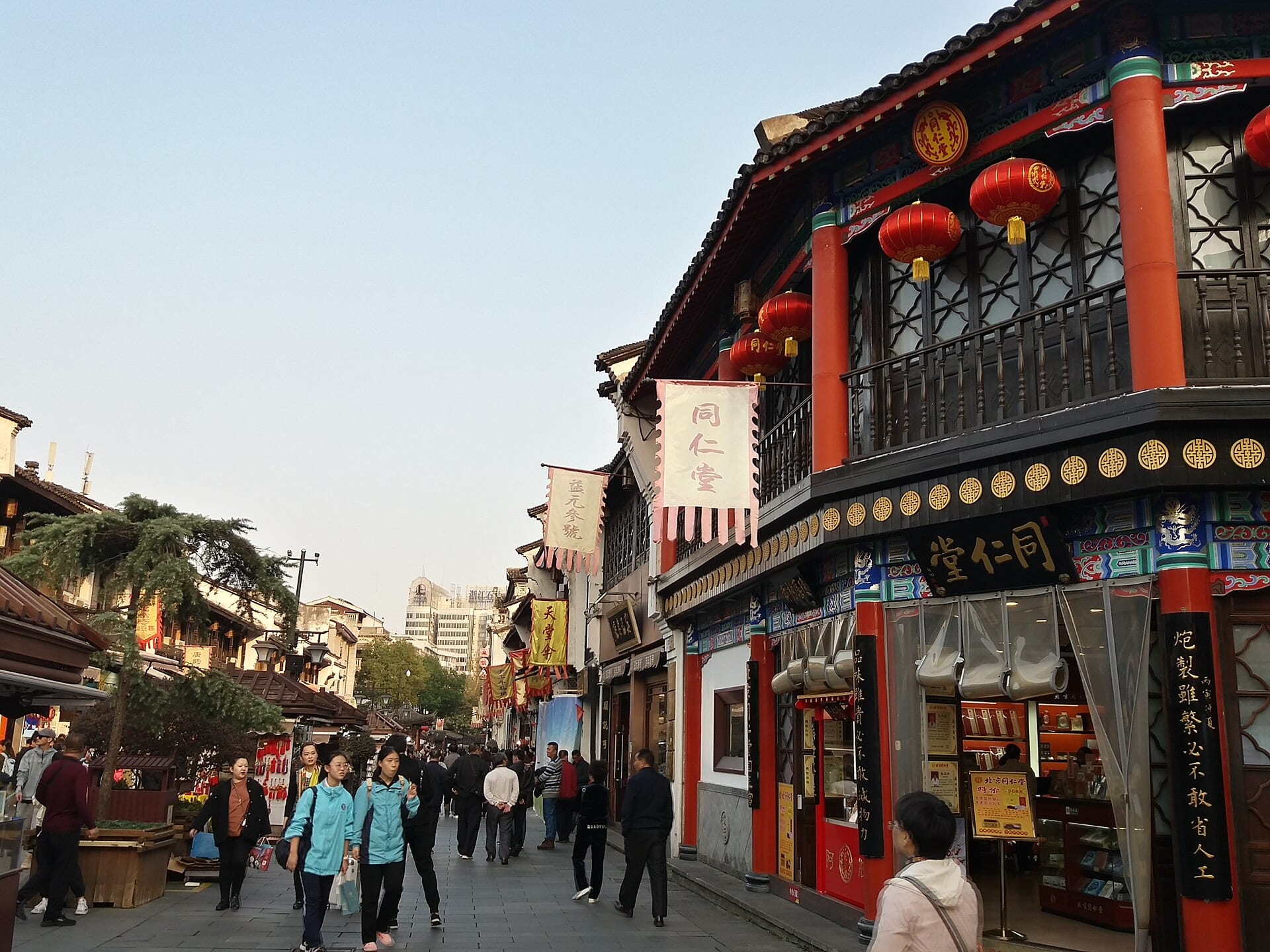
Cultural highlight
Free time to browse old storefronts, local crafts, and small discoveries.
Qinghefang grew beside the former Southern Song imperial city and remains one of Hangzhou’s best-known historic districts. Its lanes preserve the scale and energy of a traditional market street, layered with pharmacies, craft studios, snacks, and specialty shops.
pause
A short pause before we continue to Gushan Island.
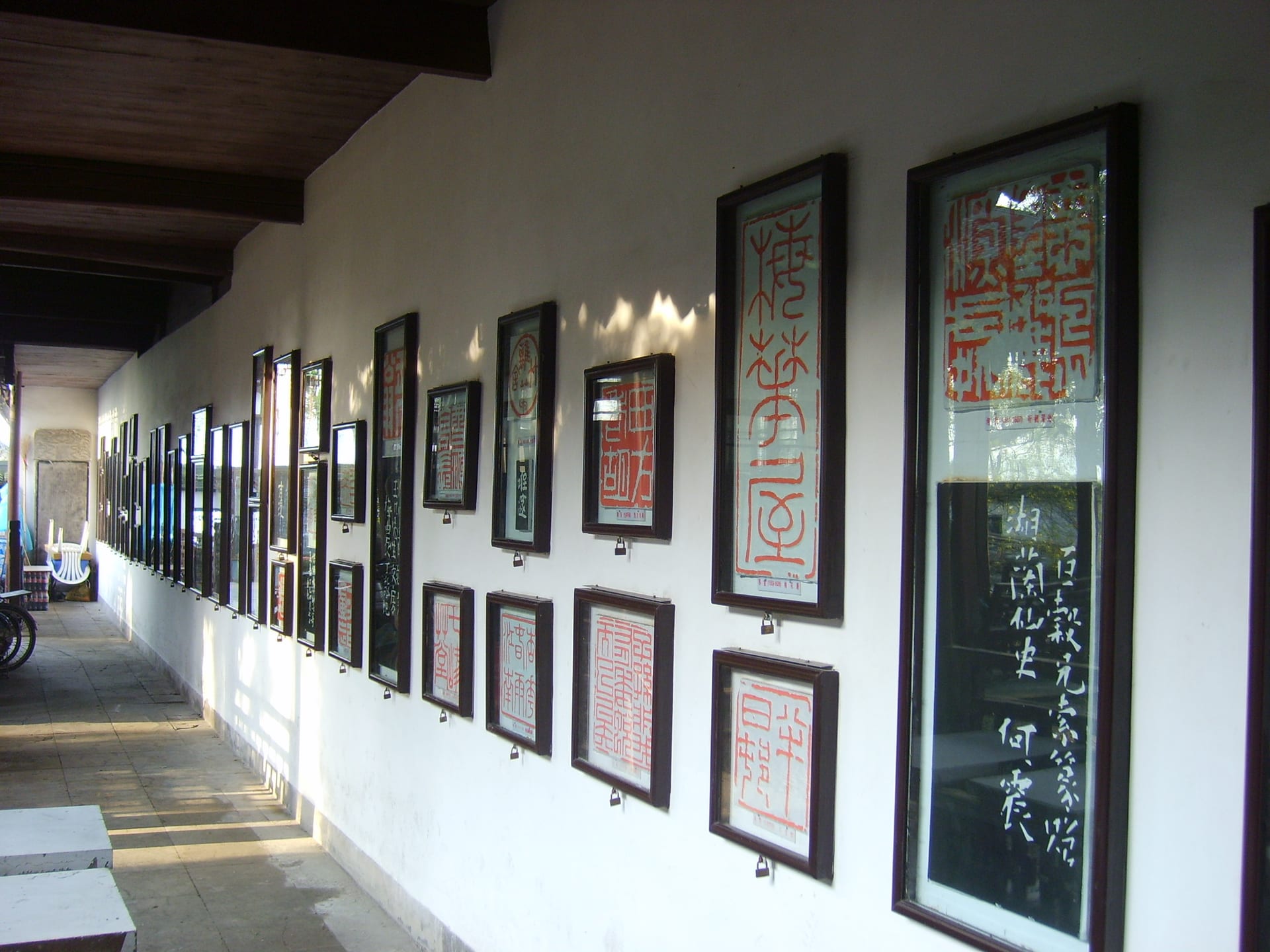
Cultural highlight
Discover a hillside garden devoted to calligraphy, painting, epigraphy, and seal art.
Founded in 1904, Xiling became an influential scholarly society for the study of seals and inscriptions. Its Gushan home feels less like a conventional museum than a sequence of pavilions, paths, stone carvings, and lake views.
meal
An evening prepared especially for the group.